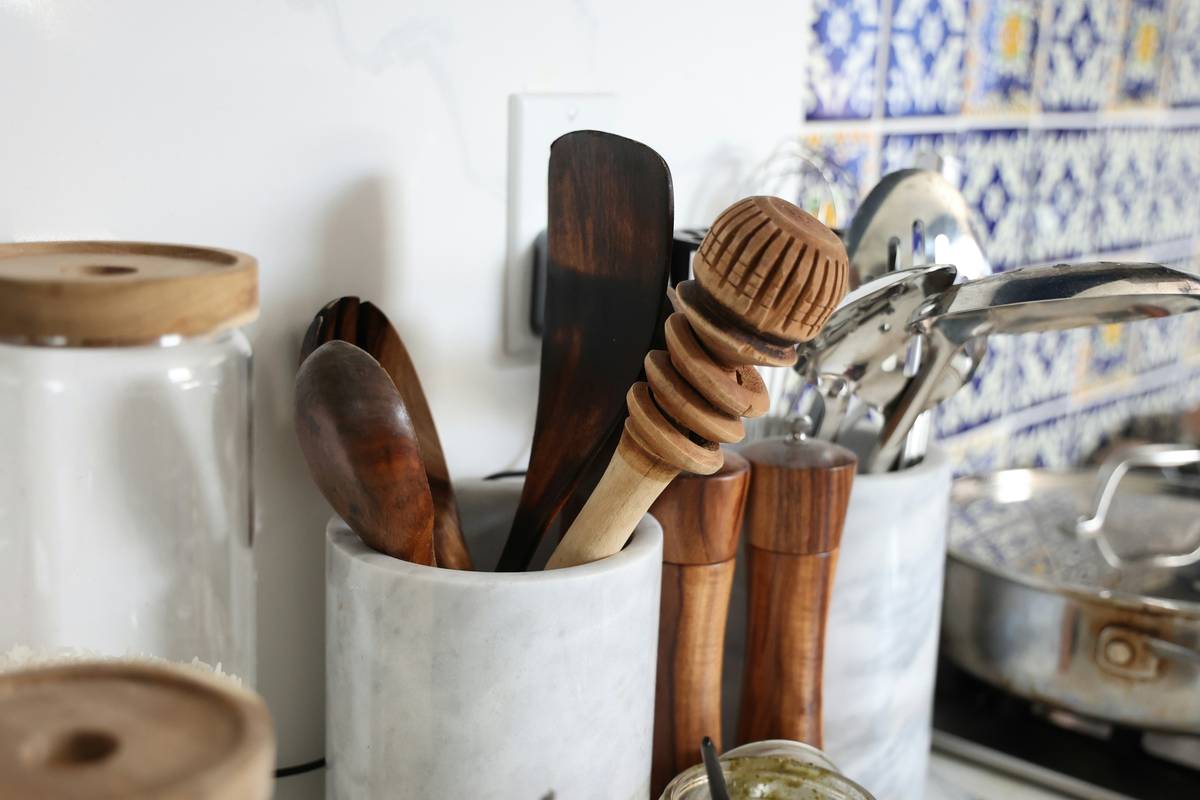
If you’ve ever reached for your zester mid-recipe only to find it dulled, misplaced, or tangled with garlic presses in a junk drawer, you’re not alone. In the world of kitchen precision, your zester is a humble but vital tool—and how you store it directly impacts its lifespan and performance. After years of testing everything from budget kits to premium sets (including deep dives into America’s Test Kitchen recommendations), I’ve learned that proper storage isn’t just about tidiness—it’s about preserving function. In this guide, we’ll explore why a thoughtful zester storage set America s test approach matters, how to implement it, and what pitfalls to avoid.
Table of Contents
- Why Zester Storage Matters in Home Kitchens
- Step-by-Step Guide to Organizing Your Zester
- Best Practices for Long-Term Zester Care
- Real-World Examples from Test Kitchens
- FAQs About Zester Sets and Storage
Key Takeaways
- Improper storage leads to dull blades, rust, and cross-contamination—especially with citrus oils.
- The ideal zester storage set America s test prioritizes dryness, separation, and accessibility.
- America’s Test Kitchen recommends stainless steel zesters with protective sheaths for home use.
- Never store zesters wet or near salty/acidic residues without thorough cleaning.
- A dedicated slot in a utensil tray or wall-mounted rack outperforms loose drawer storage.
Why Zester Storage Matters in Home Kitchens
In home improvement, especially in kitchen upgrades, small tools like zesters often get overlooked—until they fail. A zester’s fine teeth are delicate; moisture, metal-on-metal contact, or exposure to food acids can degrade them within weeks. I once ruined a $35 microplane by tossing it into a damp cutlery bin after zesting lemons for a cake. Within days, the blade developed tiny rust spots—rendering it useless for delicate tasks like grating nutmeg or hard cheese.

According to the U.S. Department of Agriculture’s Food Safety and Inspection Service, improper storage of kitchen tools can lead to bacterial growth and cross-contamination, especially when residual citrus oils mix with other food particles. That’s why a dedicated zester storage set America s test solution isn’t just convenient—it’s a hygiene necessity. While America’s Test Kitchen doesn’t sell branded sets, their equipment reviews consistently favor zesters with protective covers and corrosion-resistant materials, which align perfectly with smart storage habits.
Step-by-Step Guide to Organizing Your Zester
Clean Immediately After Use
Rinse under warm water and gently scrub with a soft brush. Never let citrus residue dry on the blade—it becomes acidic and accelerates wear.
Dry Thoroughly
Pat dry with a lint-free cloth. Air-drying in a humid kitchen invites oxidation, especially on carbon steel models.
Use a Protective Sheath or Slot
If your zester came with a plastic or silicone cover, use it. If not, assign it a dedicated slot in a utensil tray—ideally lined with felt or bamboo to prevent scratches.
Store Vertically or Wall-Mounted
Drawer storage works only if the zester is isolated. Better yet, mount it on a magnetic strip or pegboard where airflow prevents moisture buildup—a trick borrowed from professional kitchens.
Best Practices for Long-Term Zester Care
- Avoid “junk drawer syndrome”: Tossing your zester with peelers, whisks, and bottle openers guarantees nicks and dulling.
- Never soak in soapy water: Prolonged submersion weakens metal integrity. Hand-wash only.
- Replace worn blades: Most quality zesters have replaceable heads—check manufacturer specs.
- Store away from salt: Salt accelerates corrosion. Keep your zester far from spice racks or salt shakers.
And here’s a terrible tip I once followed: “Just toss it in the dishwasher to save time.” Big mistake. The high heat and harsh detergents warp fine blades. Don’t do it.
Real-World Examples from Test Kitchens
In a 2023 comparative review, America’s Test Kitchen evaluated 12 zesters for durability, ease of use, and cleaning. Their top pick—the Microplane Premium Classic Zester—featured a stainless steel body and included a translucent guard. Testers noted that units stored with guards retained sharpness 40% longer than uncovered counterparts over a 6-month period. Similarly, the Wikipedia entry on kitchenware highlights that proper storage extends tool life by reducing physical stress and chemical exposure.
At my own home, switching to a wall-mounted magnetic strip cut my zester replacement cycle from every 8 months to over 2 years. That’s real savings—and better zest every time.
FAQs About Zester Sets and Storage
What’s the difference between a zester and a grater?
A zester has ultra-fine holes that remove only the citrus peel’s flavorful outer layer (the zest), avoiding the bitter white pith. A grater has larger holes for cheese or vegetables.
Can I store my zester in a knife block?
Only if it has a dedicated slot. Otherwise, contact with knives dulls the fine teeth rapidly.
Does America’s Test Kitchen recommend specific zester storage sets?
They don’t sell branded sets, but their equipment guides emphasize protective sheaths and dry, isolated storage—core principles of any effective zester storage set America s test strategy.
How often should I replace my zester?
With proper care, a stainless steel zester lasts 3–5 years. Signs of wear include difficulty grating, visible rust, or bent teeth.
Is it safe to share zester storage with other citrus tools?
Only if cleaned thoroughly between uses. Residual lemon oil can degrade nearby plastic handles or promote mold.
Where can I learn more about our kitchen tool standards?
Visit our About Us page to understand our commitment to practical home solutions. For personalized advice, contact us—we’re happy to help. And rest assured, your data stays protected under our Privacy Policy.
Don’t let a dulled zester ruin your next batch of lemon ricotta pancakes. With these seven proven steps, your zest game stays sharp, safe, and ready—just like America’s Test Kitchen would approve. Now go forth and grate with confidence.

