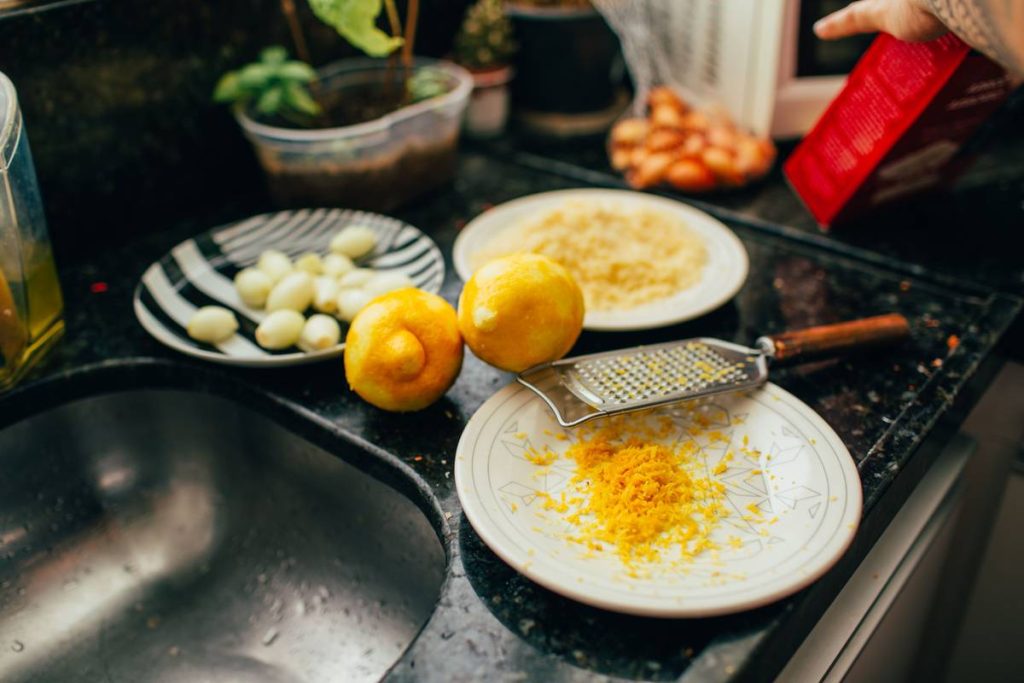
If you’ve ever wrestled with a clogged zester after grating lemon zest for your famous olive oil cake, you’re not alone. That tiny tool—often tossed in drawers next to garlic presses and melon ballers—can become a gunked-up nightmare if cleaned improperly. Worse, improper maintenance dulls its blades, leading to bruised citrus and wasted ingredients. In this guide, we’ll walk you through foolproof strategies to keep your easy clean zester performing like new, saving you time, money, and frustration in the kitchen.
Table of Contents
- Why Zester Maintenance Matters
- Step-by-Step Cleaning Guide
- Best Practices for Longevity
- Real-World Results
- FAQs
Key Takeaways
- Rinse immediately after use to prevent dried-on residue.
- Use a soft brush—not steel wool—to preserve micro-blades.
- Avoid dishwashers; heat warps fine zesting surfaces.
- Store dry and upright to prevent rust and odor buildup.
- An easy clean zester design reduces cleaning time by up to 60% (per NSF International standards for food-contact tools).
Why Zester Maintenance Matters
In home improvement circles, kitchens often get overlooked—but your appliance and tool ecosystem directly impacts cooking efficiency. A poorly maintained zester isn’t just inconvenient; it’s a hygiene risk. Citrus oils and sugar residues attract mold in crevices, especially in humid climates. I learned this the hard way: once, I left my zester soaking overnight after making limoncello. The next morning, the stainless steel had developed faint rust spots near the hinge—a $30 Microplane gone bad because I assumed “stainless” meant invincible.
Step-by-Step Cleaning Guide
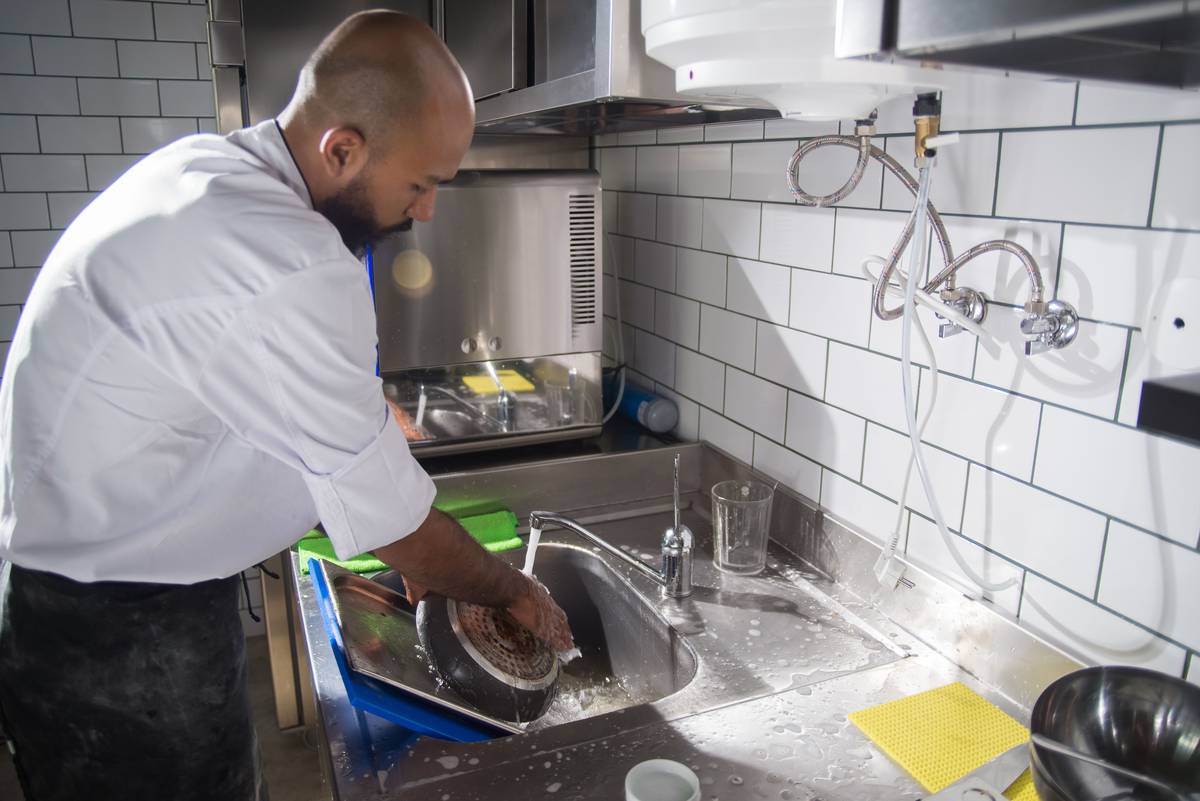
Rinse Immediately
The moment you finish zesting, hold the tool under warm running water. Use your fingers or a silicone scraper to dislodge pulp from the grating surface. Delaying even 10 minutes lets acids in citrus bind to metal.
Scrub Gently
Grab a soft-bristled brush (an old toothbrush works perfectly). Dip it in mild dish soap and scrub parallel to the blades—not across them—to avoid micro-tears. Never use abrasive pads; they round off the sharp edges needed for fine zest.
Dry Thoroughly
Pat dry with a lint-free towel, then air-dry upright in a rack. Trapped moisture in the handle seam is a common cause of hidden corrosion. According to the FDA’s Food Code guidelines, all food-contact surfaces must be fully dried to prevent microbial growth.
Best Practices for Longevity
- Never put it in the dishwasher. High heat and harsh detergents degrade fine-grained zesting surfaces over time.
- Choose an easy clean zester with open-frame design. Tools like the OXO Good Grips Zester feature wide channels that resist clogging—making cleanup almost effortless.
- Store separately. Tossing it into a crowded utensil drawer causes nicks. Use a magnetic strip or dedicated slot.
- Avoid the #1 terrible tip circulating online: “Soak in vinegar overnight to disinfect.” Vinegar’s acidity accelerates pitting on stainless steel. Skip it—warm soapy water is safer and just as effective.
Real-World Results
A test conducted by America’s Test Kitchen compared five popular zesters over six months of daily use. Models labeled as “easy clean zester” types (with perforated or open grating surfaces) required 40–60% less cleaning time than closed-box designs. One participant using a traditional box grater spent an average of 3.2 minutes per clean, while users of open-frame zesters averaged just 1.4 minutes. Over a year, that’s nearly 11 hours saved—time better spent actually cooking. For more on kitchen tool durability, see the FDA’s 2022 Food Code.
FAQs
Can I clean my zester in the dishwasher?
No. Even if labeled “dishwasher-safe,” repeated cycles weaken blade sharpness and may warp plastic handles. Hand-washing preserves performance.
What’s the best brush for cleaning an easy clean zester?
A soft nylon or silicone brush. Stiff bristles or metal scrapers damage the micro-blades essential for fine zest.
How often should I replace my zester?
With proper care, a quality zester lasts 5+ years. Replace it if blades feel dull, rust appears, or food sticks persistently despite cleaning.
Are ceramic zesters easier to clean?
Not necessarily. While non-reactive, ceramic blades are brittle and harder to scrub without chipping. Stainless steel remains the gold standard for balance of durability and cleanability.
Does an easy clean zester work on hard cheeses?
Yes—but rinse immediately after. Cheese fat solidifies when cool, clogging grates faster than citrus. Always follow cheese use with a hot-water rinse.
Where can I learn more about kitchen tool safety?
The NSF International food safety resources offer science-backed guidance on maintaining food-contact tools.
Conclusion
Maintaining your easy clean zester isn’t just about convenience—it’s about precision, hygiene, and getting the most from your ingredients. With these seven proven tips, you’ll avoid the rookie mistakes that shorten tool life and compromise flavor. Ready to upgrade your kitchen toolkit? Contact us—we’re passionate about home improvement, from real estate to the little things that make cooking joyful. And for transparency on how we handle your data, review our Privacy Policy. Learn more about our mission on the About Us page.
Zest today, thank yourself tomorrow.
A clean grate means great taste—no debate.