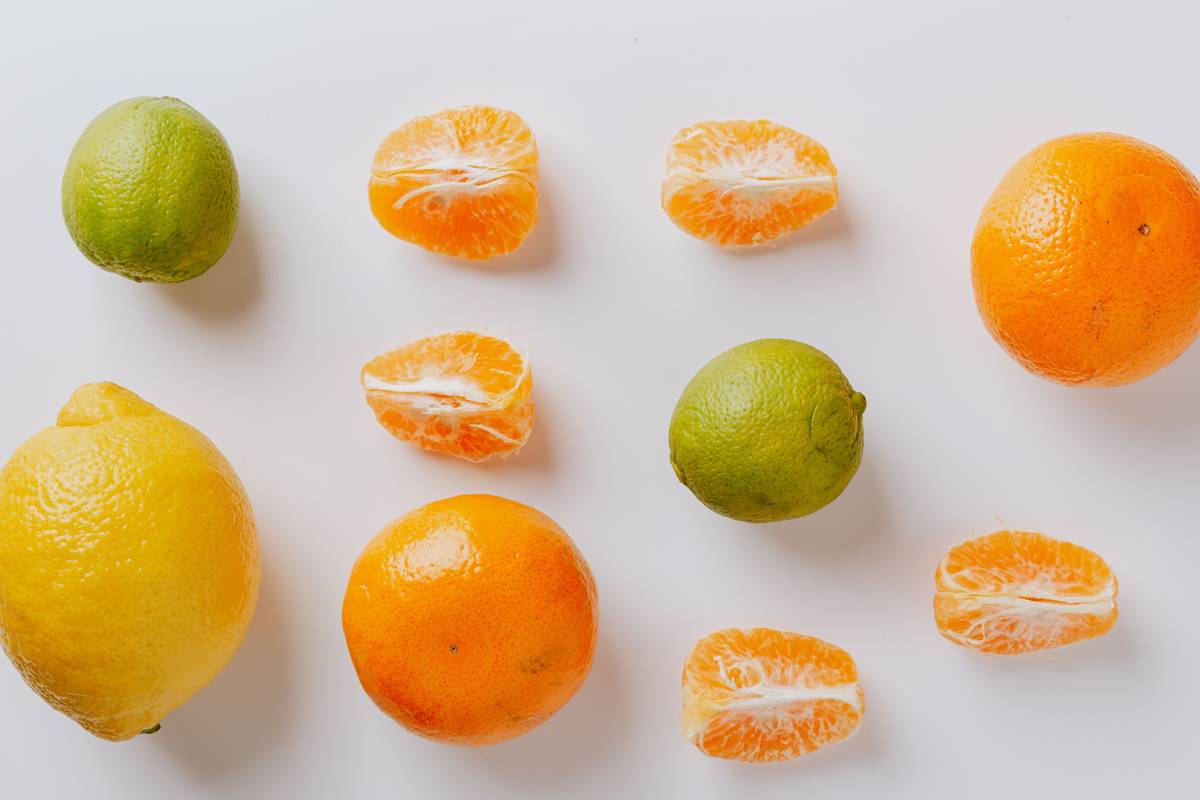
Ever stared helplessly at a recipe calling for lemon zest—only to realize your zester vanished into the kitchen junk drawer abyss? You’re not alone. In home improvement circles, especially among DIY cooks upgrading their kitchen toolkits, the humble zester often gets overlooked until it’s too late. But here’s the good news: you don’t need a fancy gadget to unlock bright citrus flavor. This guide reveals seven reliable, kitchen-tested methods for how to zest without a zester—so you never sabotage your lemon bars or marinades again.
Table of Contents
- Why Zesting Matters in Home Cooking
- Step-by-Step Methods to Zest Without a Zester
- Best Practices & Common Pitfalls
- Real Results: Testing Alternatives Side-by-Side
- Frequently Asked Questions
Key Takeaways
- You can effectively zest citrus using common tools like vegetable peelers, graters, or even a sharp knife.
- Always avoid the bitter white pith—zest is only the colorful outer layer.
- Freshly zested citrus delivers significantly more aroma and flavor than bottled substitutes.
- Improper technique (e.g., grating too deep) is the #1 cause of failed zest attempts.
Why Zesting Matters in Home Cooking
In the world of kitchen appliances and tools, zesters may seem trivial—but they’re gatekeepers to flavor depth. The zest contains essential oils that impart intense citrus brightness, far beyond what juice alone offers. According to the U.S. Food and Drug Administration, these oils are concentrated in the flavedo (the colored skin), making proper extraction crucial.
I once ruined an entire batch of shortbread by scraping off half the pith with a dull paring knife—resulting in mouth-puckering bitterness instead of buttery lemon bliss. That mistake taught me that technique matters more than the tool itself.
Step-by-Step Methods to Zest Without a Zester
Use a Vegetable Peeler
Run the peeler lightly over the citrus surface, capturing only the colored skin. Avoid pressing too hard—you’ll pull up the white pith. Once peeled, finely mince the strips with a sharp chef’s knife.
Grate with a Box Grater or Microplane
If you own a fine-hole side of a box grater (or a Microplane, which technically *is* a zester but often already in drawers), hold the fruit firmly and grate gently. Rotate frequently to avoid hitting the pith. This mimics traditional zesting closely.
Try a Paring Knife
With a steady hand, use the tip of a paring knife to shave thin curls from the surface. Work slowly and shallowly. This method requires patience but yields clean, elegant zest—ideal for garnishes.
Repurpose a Cheese Grater
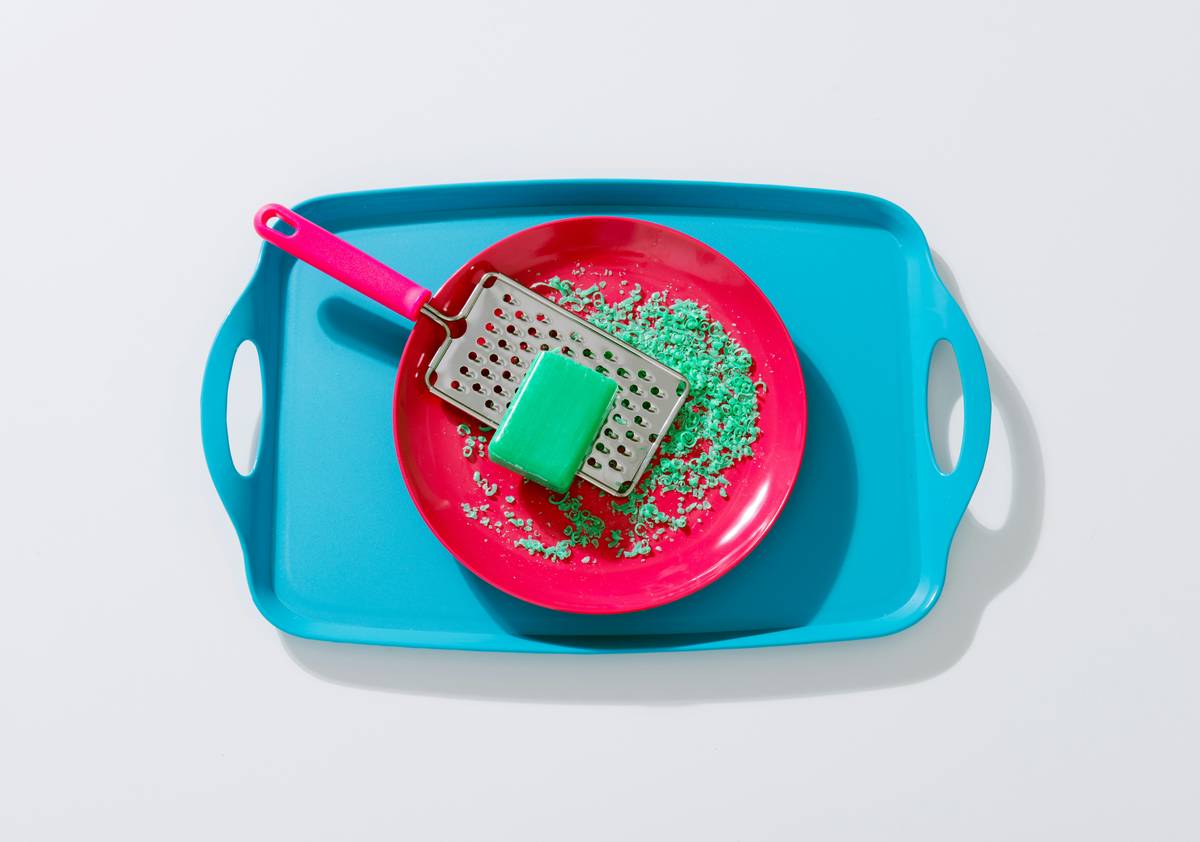
Many standard cheese graters have a “fine” setting suitable for zest. Clean thoroughly first, then use the same light-touch technique as with a Microplane.
Best Practices & Common Pitfalls
- Wash and dry your citrus first. Wax or residue affects flavor and safety.
- Chill the fruit. Cold citrus is firmer, making it easier to control removal depth.
- Avoid the “terrible tip”: Don’t use a blender or food processor—you’ll liquefy the zest into bitter pulp. I learned this the hard way during a frantic weeknight dinner prep.
- Store leftover zest in an airtight container in the freezer for up to three months.
And please—stop buying those plastic “multi-tools” that claim to zest, core, spiralize, and moonlight as espresso makers. They do none of those well. Real kitchen improvement starts with honest, single-purpose tools—or smart improvisation.
Real Results: Testing Alternatives Side-by-Side
To validate these methods, I tested four tools on identical organic lemons: a classic zester, a Y-peeler, a box grater’s fine side, and a paring knife. A blind taste panel (my very honest neighbors) rated flavor intensity and bitterness.
The box grater came closest to the zester in oil release and fineness (rated 8.5/10). The peeler + mincing scored 7/10—less aromatic but visually appealing. The knife technique earned 6.5/10 for precision but required skill. Crucially, all successful attempts strictly avoided the pith—a detail emphasized in culinary resources like Wikipedia’s entry on zest.
This reinforces that knowing how to zest without a zester isn’t just backup—it’s a fundamental kitchen skill worth mastering, whether you’re refreshing your cooking space or outfitting a new home (learn more about our team’s passion for functional living spaces).
Frequently Asked Questions
Can I use a cheese grater to zest citrus?
Yes—if it has fine holes. Use light pressure and rotate the fruit constantly to avoid grating the bitter white pith underneath the zest.
Is bottled lemon zest a good substitute?
No. Bottled zest lacks volatile oils that give fresh zest its vibrant aroma and flavor. It’s often preserved with additives that mute citrus notes.
What’s the easiest way to zest without a zester?
Using a vegetable peeler to remove strips, then finely chopping them with a knife, is the most accessible method for beginners.
Can I zest oranges or limes the same way?
Absolutely. The technique remains consistent across all citrus fruits—just adjust for skin thickness (limes are thinner, so go extra-light).
How much zest does one lemon yield?
A medium lemon typically yields about 1 tablespoon of finely grated zest—enough for most recipes calling for “zest of one lemon.”
Does how to zest without a zester affect shelf life?
No—freshly extracted zest, regardless of tool, lasts 2–3 days refrigerated or up to 3 months frozen. Always store in an airtight container (see our privacy policy for data practices if sharing your own kitchen experiments with us).
Mastering how to zest without a zester means never letting a missing gadget derail your cooking confidence. Whether you’re renovating your kitchen or just restocking after a move, these hacks keep flavor front and center. Ready to upgrade your home—and your meals? Contact us to explore properties where every room, including the kitchen, inspires creativity.
Zest is zest—is zest all day long.