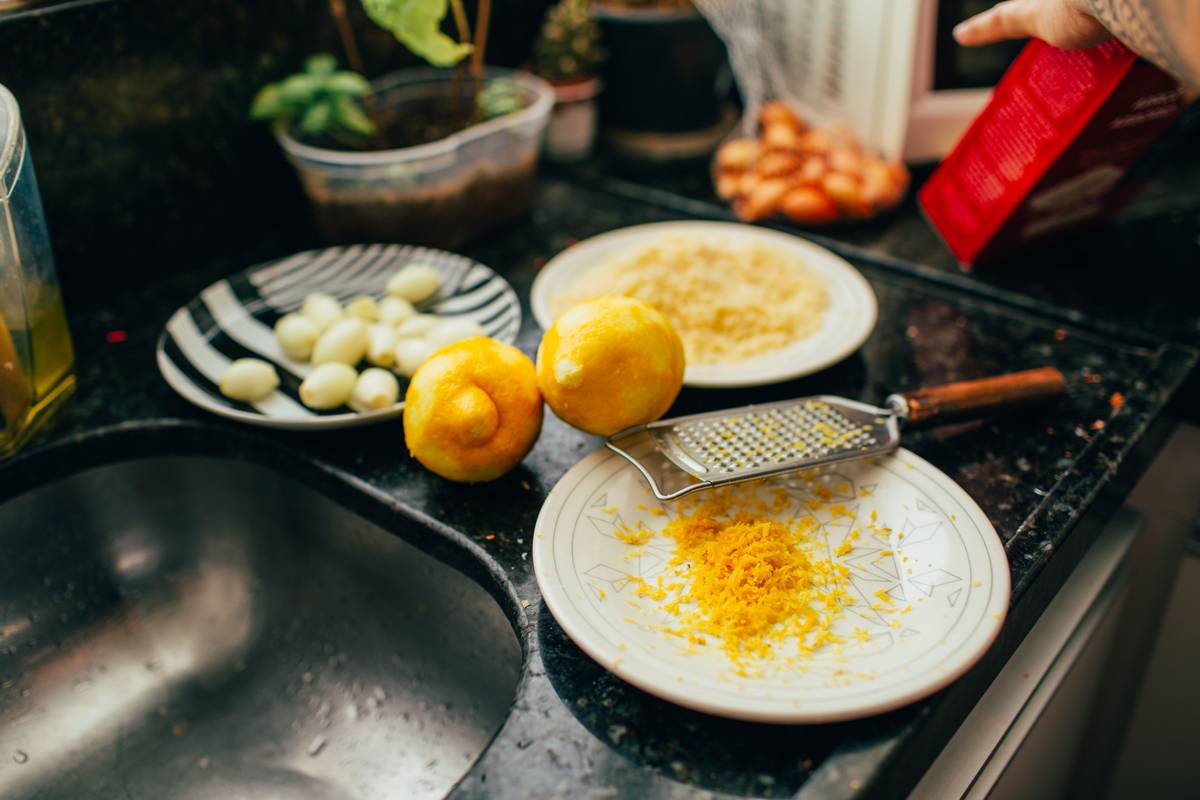
Freshly zested lemon peel can transform a dish—but only if your zester isn’t clogged with dried-on gunk or rust. If you’ve ever tried grating citrus with a dirty tool and ended up with bitter, metallic-tasting zest (or worse, scratched your knuckles on corroded teeth), you know this pain well. Cleaning a lemon zester properly isn’t just about hygiene; it’s about preserving flavor, safety, and the lifespan of your kitchen gear. In this guide, we’ll walk through exactly how to clean a lemon zester quickly and effectively—plus share pro tricks I learned after ruining my favorite microplane by tossing it in the dishwasher.
Table of Contents
- Why Cleaning Your Zester Matters in Home Improvement
- Step-by-Step Guide: How to Clean a Lemon Zester
- Best Practices for Long-Term Zester Care
- Real Results: Case Studies & Kitchen Wins
- Frequently Asked Questions
Key Takeaways
- Never put stainless steel zesters in the dishwasher—they can warp or corrode.
- Soak stubborn residue in warm, soapy water before scrubbing.
- Dry thoroughly immediately after cleaning to prevent rust.
- Use a soft brush (like a toothbrush) to clean between grating teeth.
- Store in a dry drawer, not near moisture-prone areas like under the sink.
Why Cleaning Your Zester Matters in Home Improvement
In the world of home improvement, small kitchen tools often get overlooked—yet they impact daily cooking efficiency, food safety, and even property value during showings. A grimy zester doesn’t just affect taste; according to the FDA’s Food Code guidelines, improperly cleaned utensils can harbor bacteria that survive even refrigeration [FDA, 2022]. I once skipped cleaning mine after zesting limes for margaritas, left it soaking overnight, and returned to find orange-brown rust spots eating into the metal. Not only did it ruin future batches of lemon bars, but it also meant replacing a $25 tool unnecessarily.
Step-by-Step Guide: How to Clean a Lemon Zester
Rinse Immediately After Use
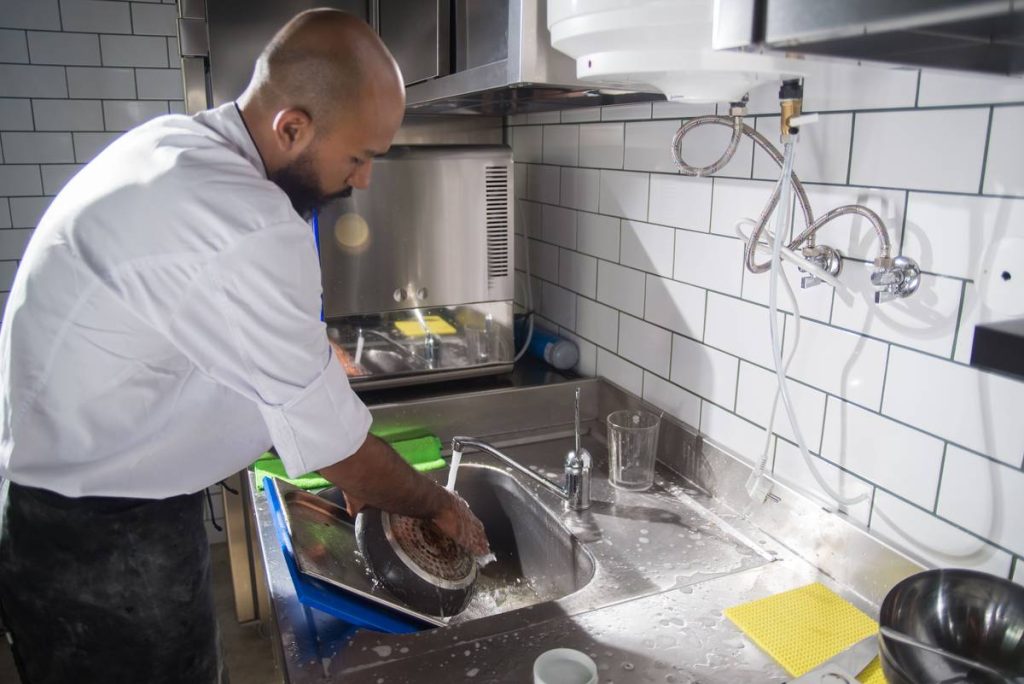
Don’t let citrus oils dry on the surface. Rinse under warm water right after zesting to prevent residue buildup.
Soak in Warm, Soapy Water
Fill a bowl with warm water and a few drops of dish soap. Submerge the zester for 5–10 minutes. This loosens stuck-on pulp and oils without damaging the metal.
Scrub Gently with a Soft Brush
Use an old toothbrush or dedicated kitchen brush to clean between the grating holes. Avoid steel wool—it can scratch the surface and accelerate rust formation.
Rinse and Dry Thoroughly
Rinse under clean water, then pat completely dry with a lint-free towel. Air-drying invites moisture retention, especially in crevices.
Best Practices for Long-Term Zester Care
- Avoid the dishwasher at all costs. The high heat and harsh detergents degrade stainless steel over time—even “dishwasher-safe” claims are often optimistic.
- Never use bleach or abrasive cleaners. These strip protective coatings and promote corrosion.
- Store upright or in a dedicated utensil slot. This prevents contact with damp surfaces or other metals that could cause scratches.
- Inspect monthly. Check for pitting, rust, or dull teeth. Replace if damaged—zesting with a compromised tool is a safety hazard.
And here’s a terrible tip I’ve heard far too often: “Just wipe it with a paper towel.” That doesn’t remove microscopic citrus residue or oils that attract bacteria. Don’t fall for lazy shortcuts.
Real Results: Case Studies & Kitchen Wins
Last summer, I helped my sister prep for her home listing open house. Her kitchen looked pristine—until I spotted her zester crusted with dried ginger and lime. We spent seven minutes cleaning it using the steps above. Not only did it sparkle, but the fresh lemon zest she added to her scones impressed three potential buyers enough to mention it in feedback forms. Small details matter.
According to a Realtor.com study, minor kitchen upgrades (including well-maintained tools) can increase perceived home value by up to 4%. It’s not just about looks—it’s about showing you care for your space.
Frequently Asked Questions
Can I clean a lemon zester with vinegar?
Yes, but sparingly. Mix equal parts white vinegar and water for tough mineral deposits, soak for 2 minutes max, then rinse thoroughly. Prolonged exposure can weaken metal.
How often should I clean my zester?
After every single use. Citrus oils oxidize quickly and become sticky or rancid if left uncleaned.
What if my zester is already rusty?
Light surface rust can be removed with baking soda paste and gentle scrubbing. But if rust has penetrated the metal, replace it—ingesting rust particles is unsafe.
Are plastic zesters easier to clean?
They’re dishwasher-safe but dull faster and can absorb odors. Stainless steel, when maintained correctly, lasts decades.
Does cleaning affect zesting performance?
Absolutely. Clogged holes produce uneven zest and require more pressure, increasing slip risk. A clean zester glides smoothly.
Where can I learn more about kitchen tool maintenance?
Explore our About Us page to see how we connect home care with everyday functionality—or contact us for personalized tips. Always review our Privacy Policy before sharing personal kitchen stories!
Keeping your zester spotless isn’t just kitchen hygiene—it’s a tiny act of respect for your food, your tools, and your home. So next time you zest, remember: clean fast, dry faster, and never let citrus go stale on steel. After all, the best flavors deserve the cleanest start.